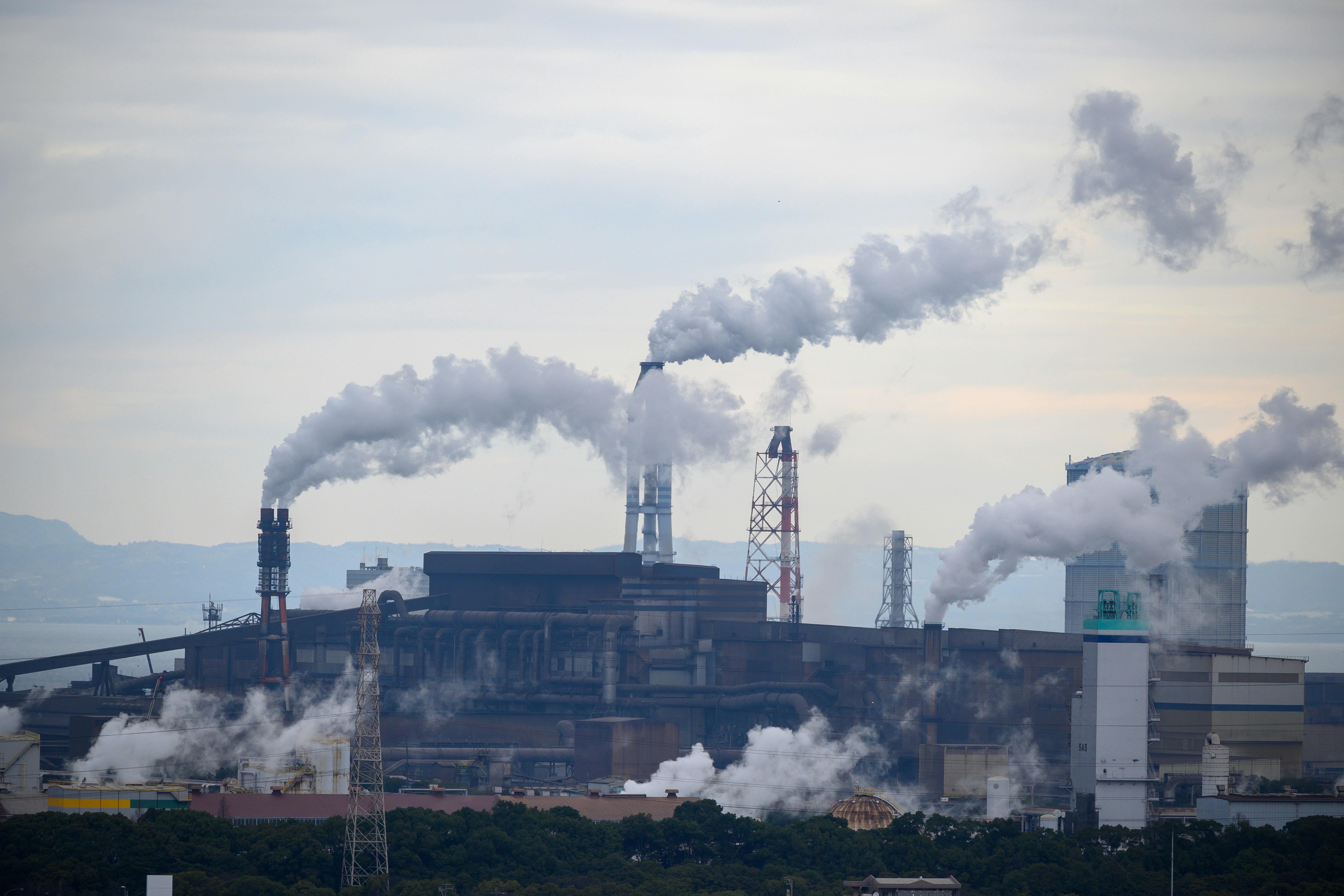
A Comprehensive Analysis for Global CO₂ Emissions Using Python
This project involved a comprehensive analysis of global CO₂ emissions data from 2000 to 2021 using Python. The goal was to explore emission patterns across countries, identify key contributors,
and draw actionable insights to support climate-related decision-making. The project utilized data cleaning, exploratory data analysis (EDA), correlation and regression modeling, and interactive visualizations to uncover meaningful trends in carbon emissions by fuel type and country.
Objectives:
✪ Clean and prepare a multi-year global CO₂ emissions dataset for analysis.
✪ Analyze total and per capita emissions by country.
✪ Visualize fuel-specific emission patterns (coal, oil, gas, etc.)
✪ Identify top and bottom emitting countries.
✪ Generate region-specific insights and data-driven policy recommendations.
Key Insights:
✪ China, USA, and India are the top emitters by total CO₂ emissions, with China heavily reliant on coal.
✪ Qatar, Kuwait, and Trinidad & Tobago consistently recorded the highest per capita emissions.
✪ Coal showed the strongest correlation with total emissions (r = 0.94), followed by oil (r = 0.86) and gas (r = 0.70).
✪ Emissions dropped significantly in 2020, aligning with the global COVID-19 slowdown, then began rising again in 2021.
Recommendations:
✪ Target coal reduction in high-emission countries like China and India to achieve the most immediate impact.
✪ Encourage clean transport and EV adoption in oil-reliant nations such as the USA and Japan.
✪ Use natural gas as a short-term transitional fuel while investing in renewable infrastructure.
✪ Support emissions monitoring and capacity-building in smaller nations with volatile emission trends.
To learn more about this project, click the view report button.